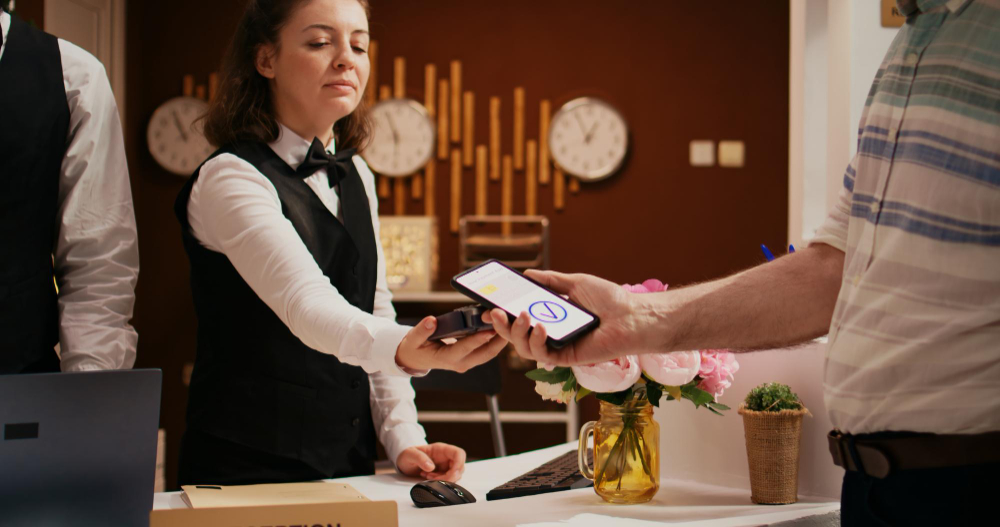
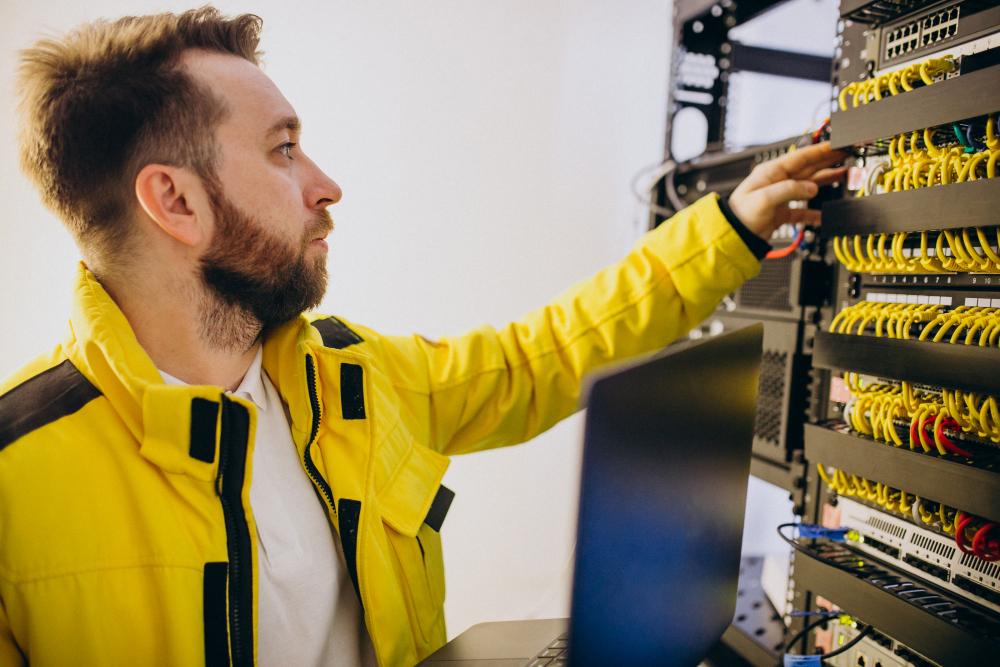
The Cybersecurity in hotels It is no longer a secondary issue: it depends on it for the business to continue operating. Digitization has improved the guest experience and has automated many processes, but it has also multiplied the entry points to the establishment's technological infrastructure.
Wi-Fi networks, booking systems, connected devices, payment terminals, internal applications or cloud platforms coexist today in an increasingly complex ecosystem. And one security flaw It not only compromises data: it can disrupt the day-to-day operations of the hotel.
Why is a hotel such a sensitive environment?
A hotel never closes and depends on many systems that work in connection with each other: reception, reservations, communications, billing, access control, cameras, air conditioning or guest services. All of them must operate continuously.
An incidence can translate into:
Disruptions in the reception systems.
Inability to manage bookings or collect payments.
Decisions regarding services that the guest considers to be settled.
Unauthorized access to internal information.
Loss or exposure of data.
Partial stops of activity.
That is why talking about Cybersecurity in the hospitality environment It's not just about protecting computers; it's about protecting the hotel's ability to continue operating.
The hotel's WiFi network: much more than just a service for guests
The Hotel WiFi It is one of the most visible parts of the infrastructure, but it is also the one that requires the most care when set up. In the same network, hundreds of client devices can coincide with corporate computers, reception terminals, telephones, or audio-visual systems.
Separating the networks is the first step
The basic principle is that all those devices do not share a single network. The usual practice is to create separate segments for:
Guest WiFi.
Corporate Red.
Management teams.
IoT devices.
Video surveillance systems.
Telephone and internal communications.
This segmentation limits the scope of any incident. If a device in the customer network has a problem, it should not be able to communicate directly with the hotel's internal systems.
Systems and devices that can become weak points
The Technological surface of a hotel It's much larger than it seems. In addition to traditional computer equipment, there are many connected devices that must also be included in the security strategy.
Hotel management systems
The PMS, the Booking engine and the Other management tools They store critical information for daily activity. It is advisable to keep them updated, control who has access to each item, and protect the accounts with appropriate authentication mechanisms.
A compromised single account can open the door to a lot of information or affect essential processes.
IoT devices
Electronic locks, smart TVs, sensors, air conditioning and control systems are part of the ecosystem of smart homes. IoT in hotels, This problem arises when these devices remain in their factory settings, with weak passwords or outdated firmware.
Each connected device is a potential entry point, and therefore it must be managed within a global security policy.
Passwords and access: a risk that remains very present
Not everyone security problems They require sophisticated techniques. compromised credentials They remain one of the most common access routes to a company's systems.
Here are some situations that it is advisable to avoid:
Passwords shared among several employees.
Simple or reused keys.
Old accounts that are still active.
Permits exceeding the necessary amount.
Lack of multi-factor authentication.
One good user management policy reduce these risks significantly. Each person should have only the access they need for their work, and it is advisable to review those permissions regularly.
Updates and maintenance of the infrastructure
Software that is not updated can expose known vulnerabilities for which the manufacturer has already published a solution. Therefore, the Technological maintenance It should be part of the cybersecurity strategy.
It is advisable to check regularly:
Operating systems.
Corporate applications.
Routers and access points.
Firewalls.
Connected devices.
Management systems and servers.
The idea is not to update only when something goes wrong, but to work in a preventive manner.
The human factor remains key
One Well-configured infrastructure It can still be vulnerable if the team that uses it is unaware of the basic risks. Phishing attacks o misrepresentation They are precisely looking for that: taking advantage of a human error to obtain credentials or information.
An email that appears to be from a provider, an urgent payment request, or a fake link may be enough to attempt to gain access to internal systems. Training should help the team recognize these situations, and the hotel should have clear protocols in place when suspicious communications arrive.
Backup and recovery in the event of incidents
Protecting a hotel doesn't just consist of preventing attacks; you also have to be prepared to resume operations if something happens. Backup copies They must be done regularly and stored securely. And, above all, it is necessary to check that they can actually be restored.
A good plan should answer questions like:
Which systems are critical for operations?
Where are the copies stored?
How often are they made?
Who can access them?
How long would it take to recover the systems?
To have a recovery plan It can greatly reduce the impact of an incident on operations.
Monitoring: detecting the problem before it grows
Many threats do not cause an immediate or visible fall. The network monitoring It allows detecting anomalous behaviors, unusual access patterns, or unexpected changes in the systems.
Analyzing traffic and configuring alerts helps identify risk situations before they affect the entire infrastructure. Cybersecurity is an ongoing process of monitoring and improvement.
A cybersecurity strategy adapted to the hotel environment
Each establishment is different. A standalone hotel does not need the same architecture as a chain with several buildings, hundreds of rooms, and multiple connected services. Therefore, an effective strategy begins with analyzing the hotel’s actual situation.
Identifying critical systems, properly segmenting networks, reviewing devices, controlling access, keeping equipment up to date, and defining recovery protocols are the measures that allow building a more resilient infrastructure.
The hotel cybersecurity It should be part of the business's technological management, not just a quick reaction when a problem arises.
A secure infrastructure for an uninterrupted operation
Technology supports an increasingly important part of the guest experience and the internal operation of hotels. When the infrastructure is well designed, segmented, updated, and monitored, the establishment reduces risks and can react more quickly to any incident.
In IPVIP Hotels We design and manage solutions Connectivity, networks and cybersecurity for hotels, adapted to the real needs of each establishment.
If you want to review the weak points of your hotel's technological infrastructure and strengthen its security, Contact our teamWe will analyze your environment and help you build a safer, more stable network ready to maintain operations.
Tell us what you thought of this article. Rate it (1 to 5 stars).